DNS Intelligent Resolution

 Custom Authoritative DNS
 Cloud Computing Services

 Server Rental
 DDoS protection
 About DNS.COM
 Support
 Contact Us
 AFF
AFF
 API Docs

 CN
CN
 EN
EN

Things to note when renting a US server: a complete analysis of performance, configuration, and cost-effectiveness
Renting servers in the US has become a crucial tool for businesses to expand overseas markets, improve access speeds, and ensure business stability. The US, with its well-established data center infrastructure, abundant bandwidth resources, and stable power supply, is an ideal choice for deploying high-performance websites, cross-border e-commerce platforms, video streaming, online gaming, and enterprise applications. However, with numerous US server providers and complex configuration options, businesses need to comprehensively consider performance, configuration, and cost-effectiveness when renting servers to maximize their return on investment.
First and foremost, server hardware performance is a key factor influencing business stability and access speed. The CPU, the computing core, directly determines the server's processing power through its core count, clock speed, and cache size. In high-concurrency scenarios, a multi-core, high-clock speed CPU can handle a large number of requests simultaneously, reducing request queuing and improving response times. Memory capacity plays a significant role in database queries, application caching, and session management. High-capacity memory reduces disk I/O access and improves overall system performance, especially in high-concurrency applications such as large-scale e-commerce promotions, online video streaming, and online gaming. The type and performance of storage devices are also crucial. SSDs or NVMe drives far surpass traditional mechanical hard drives in random read and write speeds and data throughput, effectively supporting high-frequency read and write operations and database access, ensuring stable business operations.
Server configuration includes hardware configuration and operating system selection. Depending on business needs, enterprises can choose a dedicated server, VPS, or cloud server. Dedicated servers are suitable for resource-intensive, high-concurrency applications, providing dedicated hardware resources and stable performance. VPSs are relatively low-cost and suitable for small and medium-sized businesses, but may experience performance fluctuations during peak periods due to resource sharing. Cloud servers offer elastic scalability, dynamically adjusting computing and storage resources based on business traffic, making them suitable for peak cross-border e-commerce promotions, fluctuating video traffic, and peak online gaming periods. The choice of operating system is equally important. Linux, due to its high stability, low resource usage, and strong compatibility, is the preferred choice for open source applications and web services. Windows is suitable for Microsoft ecosystem applications and specific enterprise software requirements. Choosing the right operating system based on the application type can improve server performance and operational efficiency.
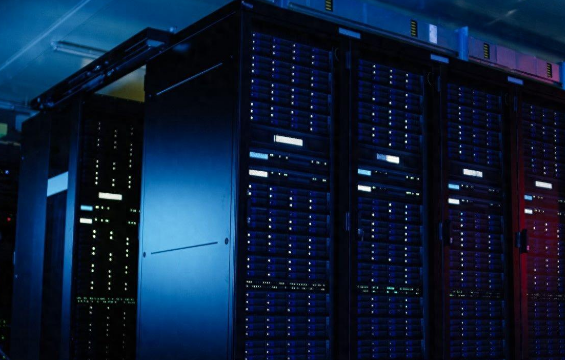
Network resources are key considerations when renting a server in the US. Bandwidth and network latency directly impact user access speed and service response time. Video streaming and online gaming require extremely high bandwidth and latency, while cross-border e-commerce and corporate websites demand fast page load times and stable transactions. When selecting a server, consider the bandwidth type. Dedicated bandwidth ensures stable access speeds during peak hours, while shared bandwidth, while less expensive, can be affected by fluctuations in other users' traffic. International outbound routes, network stability, and low-latency nodes are also crucial. For businesses targeting global users, ensuring US servers provide stable network connections is crucial.
Storage solutions also have a direct impact on server performance and data security. Choosing the appropriate storage type and capacity based on business data volume and access patterns is crucial. SSDs or NVMe drives are suitable for high-frequency read/write and database-intensive applications, while large-capacity mechanical hard drives are suitable for storing large amounts of static data. Redundant storage and backup strategies can enhance data security. RAID arrays, offsite backups, and snapshot mechanisms ensure data integrity and business continuity in the event of hardware failures or unexpected events. For video streaming and large e-commerce platforms, proper storage planning not only impacts performance but also user experience and service stability.
Security is a crucial aspect of US server rental. Cross-border business often involves user information, payment data, and sensitive business information, so servers must have comprehensive security measures. Firewalls, DDoS protection, intrusion detection, SSL encryption, and access control policies can prevent malicious attacks and data leaks. Regular security audits and vulnerability scans ensure the long-term secure and stable operation of server systems. Furthermore, security measures at the database and application layers, such as data encryption, permission management, and access logging, are also crucial for business security.
Operational management capabilities are equally important to server performance and cost-effectiveness. Enterprises should evaluate the provider's operational services, including server monitoring, troubleshooting, technical support, and upgrade maintenance. Effective operational management can promptly identify performance bottlenecks, optimize resource allocation, and quickly restore services in the event of an emergency. For cross-border business, service providers offering 24/7 technical support and rapid response can significantly reduce operational risks and ensure business continuity.
Price-performance ratio is a key consideration when renting US servers. While high-performance servers can meet the needs of high concurrency, high traffic, and large data processing, they are relatively expensive. Enterprises should make an appropriate choice based on their business scale, traffic volume, and budget. By assessing performance requirements, comparing packages, and implementing flexible resource expansion and optimization strategies, enterprises can achieve cost optimization while ensuring performance. Furthermore, over the long term, they can improve overall cost-effectiveness by monitoring resource utilization, optimizing storage and bandwidth usage, and rationally allocating CPU and memory.
When selecting a solution, enterprises should consider their business type, traffic volume, data storage requirements, budget, and future expansion plans. For example, high-concurrency e-commerce platforms and online video services should prioritize multi-core CPUs, large memory capacities, high-speed storage, dedicated bandwidth, and highly reliable networks. Small and medium-sized enterprise websites and startups can choose cost-effective VPS or cloud servers, leveraging flexible resources to cope with business fluctuations. Businesses targeting global users can utilize CDN acceleration and load balancing technologies to improve access speed and stability while reducing bandwidth pressure.
 Latest Posts



 Online Customer service